
Vedāṅga (वेदांग)

Vedāṅga (वेदांग)
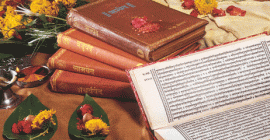
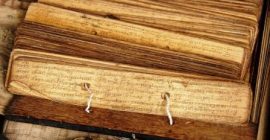
Vedāṅga literally means limb (aṅga (अंग)) of the Veda and they are regarded as auxiliary to the Vedas.
– Pāṇini Śikṣā (पाणिनि शिक्षा) 41-42
Chandas (छन्दस् ) are considered to be the feet of Vedapuruṣa (वेदपुरुष) , Kalpas (कल्प) are hands, the two Ayanas (अयन) (time from one solstice to another Dakṣiṇāyana (दक्षिणायन) and Uttarāyaṇa (उत्तरायण)) of Jyotiṣa (ज्योतिष) are its eyes, Nirukta (निरुक्त) are ears , Śikṣā (शिक्षा) is considered to be its nose and Vyākaraṇa (व्याकरण) is the mouth.
Vedāṅgas are designated to aid in the correct pronunciation and interpretation of the Vedic text and the right employment of the Vedic mantras in ceremonies. The Vedāṅgas were developed towards the end of Vedic period, around or after the middle of the first millennium BCE. These auxiliary fields of Vedic studies emerged because the language of the Vedic texts composed centuries earlier grew too archaic for people to understand. It was therefore felt necessary to lay down general rules on the proper pronunciation and accentuation of the mantras and their meter. Thus, were formulated Śikṣā (शिक्षा) and Chandas (छन्दस्). Vyākaraṇa (व्याकरण) and Nirukta (निरुक्त) dealt with the problem of interpretation of the mantras. Kalpa (कल्प) and Jyotiṣa (ज्योतिष) tackled the question of ‘how’ and ‘when’ the mantras are used during sacrifices and rituals.
The Vedāṅgas are composed for the most part in Sūtra (सूत्र) (aphoristic) style. The word Sūtra means ‘thread or string’. A Sūtra work strings together the salient points of a text or subject, systematically, in short sentences compressed into the most concise form. Thus, it reduced the vast and diffuse text of the Saṁhitās (संहिता) and Brāhmaṇas (ब्राह्मण) into a reasonably small size, gave it a systematic shape, and instilled in it the unique quality of brevity.
There are six Vedāṅgas –
- Śikṣā (phonetics) (शिक्षा)
- Kalpa (rituals) (कल्प)
- Vyākaraṇa (grammar) (व्याकरण)
- Nirukta (etymology) निरुक्त)
- Chandas (metrics) (छन्दस्)
- Jyotiṣa (astronomy/astrology) (ज्योतिष)
Śikṣā (शिक्षा)
Śikṣā is one of the six Vedāṅgas or sciences attached to the Vedas; it literally means ‘instructions or lessons’. Śikṣā played an important role in Vedic India at a time when there was no written script, and the knowledge inherent in the Vedas, Saṁhitā texts in particular, had to be transmitted orally. Śikṣā texts are treatises on phonetics. They elucidate rules for proper pronunciation, accentuation and combination of words and sounds during recitation of Vedic hymns.
Śikṣā Vedāṅga describes the following features of speech:
- Varna (वर्ण): letters of the Sanskrit alphabet.
- Svara (स्वर): accentuation or svarāghāta (स्वराघात) known as udātta (उदात्त) or high pitch, anudātta (अनुदात्त) or low pitch and svarita (स्वरित) or medium pitch.
- Mātrā (मात्रा): the length of time required to pronounce a short vowel expressed in the technical terms – hrasva (ह्रस्व) or short, dīrgha (दीर्घ) or lengthened and pluta (प्लुत) or protracted.
- Bala (बल): stress or the effort required in pronunciation.
- Sama (सम): evenness or equalization of tones. It is a particular process of recital.
- Santāna (संतान): conjoining of two words when spoken together in a sentence, or continuous recital forming a melody.
The vibrations generated by sounds are considered to possess immense power. Akṣara Brahma (अक्षर ब्रह्म) – sound or sphoṭa (स्फोट) is the supreme soul or Ātman (आत्मन्). Each Veda has its own peculiar pronunciation of certain letters and each one of them has its specific modes and speed of recitation. In Vedic language, it is imperative to produce the desired sound vibrations to maintain the ritual purity and efficacy of the mantras.
Traditionally Bābhravya (बाभ्रव्य), son of Jaigīṣavya (जैगीषव्य), is the oldest Śikṣā composer. In the Śānti parva (शान्ति पर्व) of Mahābhārata (महाभारत) there is mention of Śikṣā composed by sage Gālava (गालव).
The most important and recent among the treatises relating to Śikṣā is the famous Pāṇinīya (पाणिनीय) Śikṣā. Other older treatises on Śikṣā include – Śaunakīya (शौनकीय) Śikṣā , Yājñavalkya (याज्ञवल्क्य) Śikṣā, Vaśiṣṭha (वशिष्ठ) Śikṣā, Kātyāyanī (कात्यायनी) Śikṣā, Pārāśarī (पाराशरी) Śikṣā, Mādhyandinī (माध्यन्दिनी) Śikṣā, Keśavī (केशवी) Śikṣā, Maṇḍukī (मंडुकी) Śikṣā, and Nāradīyā (नारदीया) Śikṣā.
Prātiśākhya (प्रातिशाख्य)
Śikṣā treatises were the oldest creations among the Vedāṅga. Originally, Śikṣā treatises were considered to be part of Brāhmaṇa compositions. Subsequently they developed independently as the Prātiśākhya compositions, which were systematic and standard procedures of pronunciation, established for every Śākhā (शाखा) or branch of Vedas.
The word Prātiśākhya has been defined “a work on Vedic grammar of specific nature, which is concerned mainly with the changes, euphonic and others, in the Pada text of Saṁhitā (संहिता), as compared with the running text, the Saṁhitā itself”. Prātiśākhyas contain, more or less, Vedic passages arranged from the point of view of Saṁdhi (संधि) (phonetic combination of two vowels or consonants).
There were Prātiśākhya treatises for each of the several Śākhās or branches of each Veda, many of which later disappeared as the number of followers of those branches dwindled. The Prātiśākhya compositions in nature, are preliminary to works on grammar. It appears that existing Prātiśākhyas, which are the revised and enlarged editions of the older ones, are written after Pāṇini’s treatises on grammar. Only the following Prātiśākhyas are available now:
- Śākala (शाकल) Prātiśākhya of Ṛgveda (ऋग्वेद), Śaunaka (शौनक).
- Taittirīya (तैत्तिरीय) Prātiśākhya of Kṛṣṇa Yajurveda (कृष्ण यजुर्वेद).
- Vājasaneyi (वाजसनेयि) Prātiśākhya of Śukla Yajurveda (शुक्ल यजुर्वेद).
- Arthaveda (अर्थवेद) Prātiśākhya of Atharvaveda (also called Śaunakīyā Caturadhyāyikā (शौनकीया चतुरध्यायिका))
- Ṛktantra Vyākaraṇa (ऋक्तन्त्र व्याकरण) and Puṣpasūtra (पुष्पसूत्र) Prātiśākhya of Sāmaveda (सामवेद).
The Prātiśākhyas were composed by many grammarians like Śaunaka, Pāṇini, and others and were subsequently revised from time to time. It is because of this Vedāṅga that the system of Vedic recitation has remained intact right from the ancient times to the present day.
Kalpa (कल्प)
Kalpa, another significant Vedāṅga, is a Śāstra or a sacred precept prescribed by the Vedas for effecting certain consequences. Kalpa literally means sacred rule or law or ordinance and Sūtra means a thread. The Kalpa has been defined as
– Ṛgveda Prātiśākhya (ऋग्वेदप्रातिशाख्य)
It means, this is a science in which the rites and rituals mentioned in the Vedas have been arranged sequence-wise.
Kalpasūtras were composed for the four kinds of Vedic priests -Hotā (होता), Udgātā (उद्गाता), Adhvaryu (अध्वर्यु) and Brahmā (ब्रह्मा), for their respective rites and rituals. In the absence of written language, the Sūtras helped remember the intricacies of performing Vedic sacrifices and observing the daily rituals. It is a work which lays down the rituals and rules for ceremonial and sacrificial acts. Kalpas focused on standardizing procedures for Vedic rituals associated with major life events such as birth, wedding and death. It also discussed the personal conduct and proper duties of an individual in different stages of his life.
Over the years Vedic literature became abundant, somewhat unintelligible, and mystic. It was felt necessary that Vedic statements be written down in aphoristic and symbolic language, which was also necessary to facilitate remembering them by heart. It is easier to remember Sūtras. This was the purpose of the composition of Kalpasūtras. This was the advent of Sūtra style of writing in Sanskrit literature.
Kalpasūtras contain four kinds of Sūtras :
- Gṛhyasūtras (गृह्यसूत्र)
The Gṛhyasūtras prescribe domestic rites and rituals for the three upper castes (Brāhmaṇa (ब्राह्मण), Kṣatriya (क्षत्रिय) and Vaiśya (वैश्य), in addition to the duties and responsibilities meant for them as householders so that they can uphold the dharma (धर्म) and lead an ideal life in harmony with truths expounded in the Vedas. The Gṛhyasūtras deal with rituals related to the rites of passage, such as marriage, birth, name giving, coming of age, funerals. - Śrautasūtras (श्रौतसूत्र)
The Śrautasūtras prescribe rules for the performance of different types of sacrifices and rituals, the amount of fees to be paid to the priests and the type of penances to be practiced in case of violation. - Dharmasūtras (धर्मसूत्र)
The Dharmasūtras are the first four texts of the Dharmaśāstra (धर्मशास्त्र) tradition and they focus on the idea of dharma. They discuss about the duties of people at different stages of life like studenthood or Brahmacarya (ब्रह्मचर्य), householdership or Gārhasthya (गार्हस्थ्य), retirement or Vānaprastha (वानप्रस्थ) and Renunciation or Saṁnyāsa (संन्यास). These stages are also called Āśramas (आश्रम). Dharmasūtras also discuss about the duties of kings, judicial matters, and even personal practices such as the regulations in diet, offenses and expiations, daily oblations, and funerary practice. They also suggest the norms for appropriate social and religious behavior for both men and women, norms of marriage, study and sexual union and punishments in case of violation. Of the many Dharmasūtras that existed during the Vedic period only a few have survived, such as the Baudhāyana (बौधायन), the Āpastamba (आपस्तम्ब), the Gautama (गौतम) and the Vaśiṣṭha (वशिष्ठ). Of these the first three are associated with different schools of Yajurveda, while the Vaśiṣṭha is associated with the Ṛgveda. The first three texts were composed probably around 8th century BCE and the last around the 1st century CE. - Śulbasūtras (शुल्बसूत्र)
Śulbasūtras are the main and most ancient source of Indian mathematics. Śulba (शुल्ब) means a string or a rope used as a tape for measurement. The early compilers of the Śulbasūtras are Baudhāyana (बौधायन), Āpastamba (आपस्तम्ब), Mānava (मानव) and Kātyāyana (कात्यायन). Śulbasūtras deal with the methods for drawing geometrical shapes such as circle, square, rectangle, triangle etc, their combinations, their mutual transformations, and arithmetical and algebraic solutions to the problems with such figures. Śulbasūtras were used in the construction of Vedic altars or Citi (चिति), as unique shapes of the altars were used for worship and were associated with specific desired results. Altars were constructed in more than 33 shapes. A particular shaped altar was prescribed to perform a particular type of yajñya (यज्ञ) or sacrifice.
From these Sūtras, it is evident that the scholars, particularly the composers of Śulbasūtras had the knowledge of advanced algebraic geometry. The theorem, which is now known as Pythagoras theorem, was described much earlier by Baudhāyana (800 BCE).
In Kalpasūtras one can witness the new exaltation and elevation taking place in the field of Vedic dharma and in the Indian social life of the earlier centuries. These Kalpasūtras contained the subjects of Brāhmaṇa scriptures arranged so beautifully, but succinctly, that to a certain extent the Brāhmaṇa scriptures became irrelevant and many of them, in due course of time, became extinct.
Vyākaraṇa (व्याकरण)
Vyākaraṇa is the Vedāṅga that deals with the science of grammar and linguistic analysis of Sanskrit, providing useful insights into the systematic explanation of the formation of words in a language. It is explained by the modern scholars as ‘the law of the correctness of speech and an etymological science’ and is described both as a science and as an art. The term Vyākaraṇa is etymologically defined as:
– Taittirīya Saṁhitā
The science of formation and examination of words and sentences is called Vyākaraṇa.
In Sanskrit there is a precise and logical system to decline and conjugate words. Words and derivatives are composed according to the prescribed rules. These enable one to systematically understand the correct meaning of the words. In Patañjali’s Mahābhāṣya (पतञ्जलि महाभाष्य) the word Vyākaraṇa is mostly used in the sense of “the science of Grammar”.
It was in the period of Vedic literature that an extraordinarily rich tradition of Vyākaraṇika (व्याकरणिक) or grammatical analysis emerged and developed. During this period Vaiyākaraṇaḥ (वैयाकरणः) or grammarians such as, Āpiśali (आपिशलि), Kaśyapa (कश्यप), Gārgya (गार्ग्य), Gālava (गालव), Cākravarmaṇa (चाक्रवर्मण), Bharadvāja (भरद्वाज), Śākaṭāyana (शाकटायन), Śākalya (शाकल्य), Senaka (सेनक) and Sphoṭāyana (स्फोटायन) had written their treatises dealing with Vyākaraṇa.
These and some other original Vyākaraṇa texts are lost to history. The literary evidence that science of Vyākaraṇa existed in Vedic times is found in the Brāhmaṇas, Āraṇyaka and Upaniṣad. However, the only representative text of Vyākaraṇa available today is the Aṣṭādhyāyī (अष्टाध्यायी) of Pāṇini (पाणिनि) (~6th to 5th century BCE). Aṣṭādhyāyī is in the form of Sūtras or aphorisms. It is indeed the most recognized and studied treatise on Sanskrit grammar. Kātyāyana (कात्यायन) wrote Vārtika (वार्तिक), a brief explanation on Aṣṭādhyāyī Sūtras. Patañjali wrote his commentary, called Mahābhāṣya on the Aṣṭādhyāyī, as well as Kātyāyana’s Vārtika. This is considered as a milestone work in the tradition of Pāṇini Vyākaraṇa.
The Aṣṭādhyāyī containing eight chapters summarizes the prevailing traditions of Sanskrit Vyākaraṇa, preserving them for posterity. The Aṣṭādhyāyī contains about 4000 Sūtras or aphorisms divided into four parts:
- Śivasūtra (शिवसूत्र) or Māheśvara Sūtrāṇi (माहेश्वर सूत्राणि) are fourteen
aphorisms that organize the phonemes of Sanskrit, which form the basis of Pāṇini’s grammar. They deal with phonetics or the accent and intonation of distinctive units of sound that form part of the word or syllables. The origin of the Śivasūtras is known by the following famous verse:नृत्तावसाने नटराजराजो ननाद ढक्कां नवपञ्चवारम्| उद्धर्तुकामः सनकादिसिद्धान् एतद् विमर्शे शिवसूत्रजालम्I With a wish to elevate and benefit sages like Sanakas the king of all great dancers, lord Maheshwara, at the end of his dance performance, played his small drum 14 times. These 14 sounds were the 14 aphorisms which served as foundation of Sanskrit Grammar. - Aṣṭādhyāyī is a name popularly given to the Sūtrapāṭha (सूत्रपाठ) of Pāṇini, consisting of eight books (Aṣṭa Adhyāyas or अष्ट अध्याय) containing 3981 Sūtras. It deals with the structure of words and sentences and their construction. The text of the Aṣṭādhyāyī is recited without accents.
- Dhātupāṭha (धातुपाठ) deals with the list of root verbs, stem words that give rise to other full words. This name is given to several collections of roots, along with their meanings, by grammarians belonging to various schools of grammar.
- Gaṇapāṭha (गणपाठ) traditionally known to have been written by Pāṇini himself as a supplementary work to his Aṣṭādhyāyī. Gaṇa (गण) is an expression given to a class of words, named after the first word. The text of the Gaṇapāṭha is metrically arranged by some scholars. The most scholarly and authentic treatise on Gaṇapāṭha is the Gaṇaratnamahodadhi (गणरत्नमहोदधि) by Gaṇaratna (गणरत्न). Vyākaraṇa ensured the accurate transmission of the Vedic scriptures and their messages over centuries across generations.
Vyākaraṇa ensured the accurate transmission of the Vedic scriptures and their messages over centuries across generations.
Nirukta (निरुक्त)
The word ‘Nirukta’ means ‘expressed, pronounced, explained, or defined’. It is the Vedāṅga which is concerned with the science of etymology – meaning of words. Nirukta deals with analysis and interpretation of obscure words vital to the study and understanding of the Vedas which are replete with mysterious symbolism. It explains the word-roots and derivation of meaning of words in different contexts as Sanskrit words often can be split in multiple ways.
Nighaṇṭu and Nirukta are two ancient treatises considered to be part of Vedāṅga Nirukta. In ancient times, under the title of Nighaṇṭu (निघण्टु), several Nighaṇṭus had been compiled. Only one Nighaṇṭu (a dictionary/‘list of words’ found in the Vedas) is now available. Nirukta of Yāska (यास्क), which is believed to have been written in the seventh or eighth century BCE i.e. a century or two before Pāṇini, is an excellent commentary of the obscure words found in the Nighaṇṭu. Nirukta is looked upon as supplementary to Vyākaraṇa (grammar works). All the other works of this Vedāṅga by Upamanyu (उपमन्यु), Gālava (गालव), Śākapūṇi (शाकपूणि), Śākaṭāyana (शाकटायन), Śākapūrti (शाकपूर्ति) and others have been lost. Only Nirukta the commentary by Yāska has survived, hence the Vedāṅga is referred to as Nirukta.
Chandas ( छन्दस्)
Chandas is another segment of Vedāṅga. It is the science of metres. Metre is the measure of syllables. Metre is designed for the purpose of proper reading and reciting of Vedic texts. Accent and metre play an important role in Vedic literature as a considerable part of it is written in verse form.Chandas deals with the analysis of the types of meter used in the construction of various Vedic hymns.
Ṛgveda and Sāmaveda are fully in the form of verses, whereas, Yajurveda has both prose and verses or mantras. The hymns were generally chanted during sacrifices and to eulogise the Gods and deities. Full of deep and strong emotions, the meter has powerful attraction for the listener. The metre was essential for preserving and remembering the Vedic Saṁhitās as it could be easily committed to memory. Any alteration to the mantra would disturb its spiritual purport and overall significance.
A Śloka (श्लोक) or Vedamantra (वेदमन्त्र) generally has four quarters or Pāda (पाद) or Caraṇa (चरण). In Sanskrit, the word ‘Pāda’ is used as the metrical unit. The measurement is made depending on the number of syllables used. Syllables are classified into two categories, Guru or long and Laghu or short tones. A string of Guru – Laghu (गुरु – लघु) sequence of a particular length is called a meter. Depending on the number of syllables in each of the Pādas, there are different meters. For example, the smallest Pāda in Vedic meter is of eight syllables, where there are three Pādas of eight syllables each – it is called the Gāyatrī (गायत्री) metre. Similarly, there are many such metres.
Chandaśāstra of Āchārya Piṅgala (आचार्य पिङ्गल) is considered to be the oldest text available on the subject. It was probably composed between 6th and 5th century BCE. The knowledge of the Chandas proved useful in the composition of the Smṛti literature. It also played an important role in the emergence of classical Indian music and Sanskrit poetry.
Jyotiṣa (ज्योतिष)
Astrological and astronomical science, Jyotiṣa deals with the astronomical and astrological aspects of fixing auspicious date and time to perform various Vedic rites and rituals including the sacraments or rites of passage. The oldest treatise on this subject is Vedāṅga Jyotiṣa by Āchārya Lagadha (आचार्य लगध) (~1400 BCE). In the Brāhmaṇas and Āraṇyakas, we find frequent references to astronomical subjects, and even in the hymns we find mention of the lunar chronology. It is unfortunate that there is no other work available at present dealing with ancient Vedic astronomy. Later, we find many Sanskrit treatises on astronomy and mathematical calculations. Bhāskarācārya I and II (भास्कराचार्य), Varāhamihira (वराहमिहिर) and Āryabhaṭṭa (आर्यभट्ट) are known ancient scholars conversant with these scientific subjects.
The Jyotiṣa of the Vedic world played an important role in the development of Vedic calendar or Pañcāṅga (पञ्चाङ्ग). The auspicious time is usually determined based on the position of the luminous bodies (Jyotiṣa) namely the Sun, the Moon, the Stars, and other heavenly bodies. Study of the movement of these celestial bodies helped determine the time of the day and night, the day of the week and fortnight, the period of the seasons, the month and the year, and the influence of each heavenly object on the events of the world and the lives of the people.